




Technical References
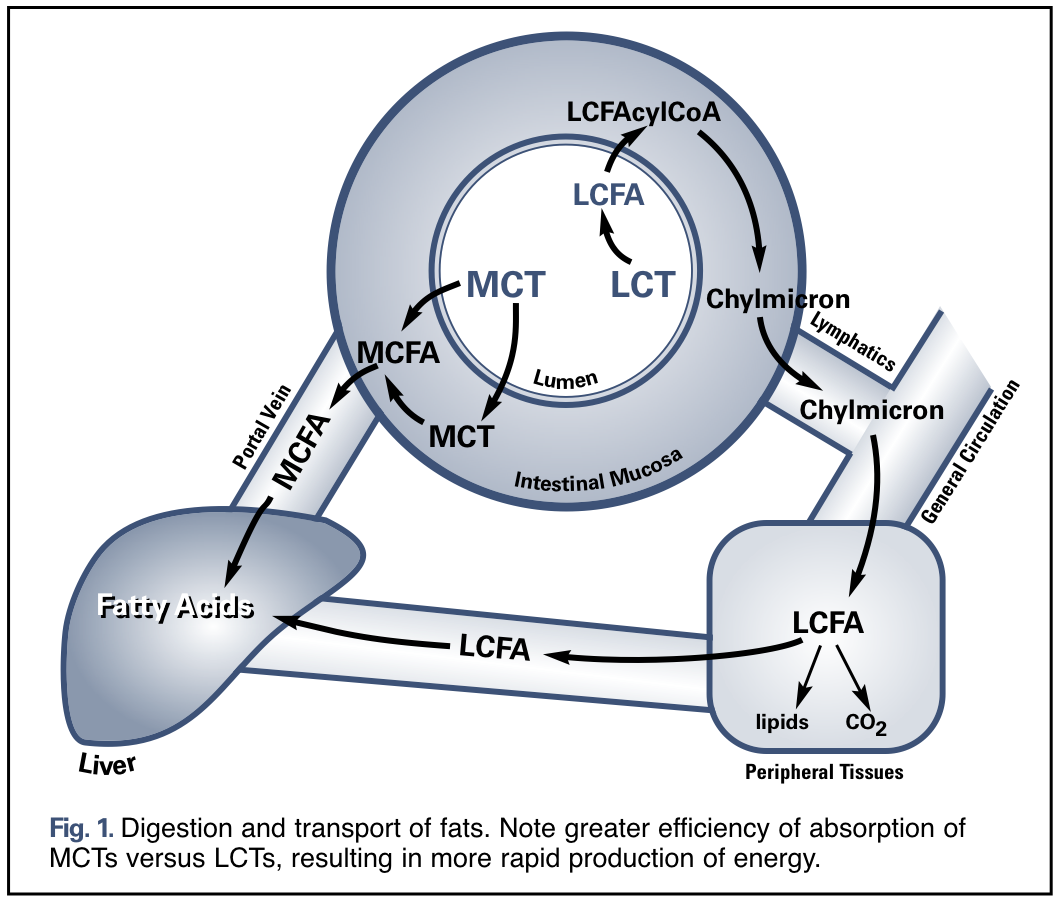
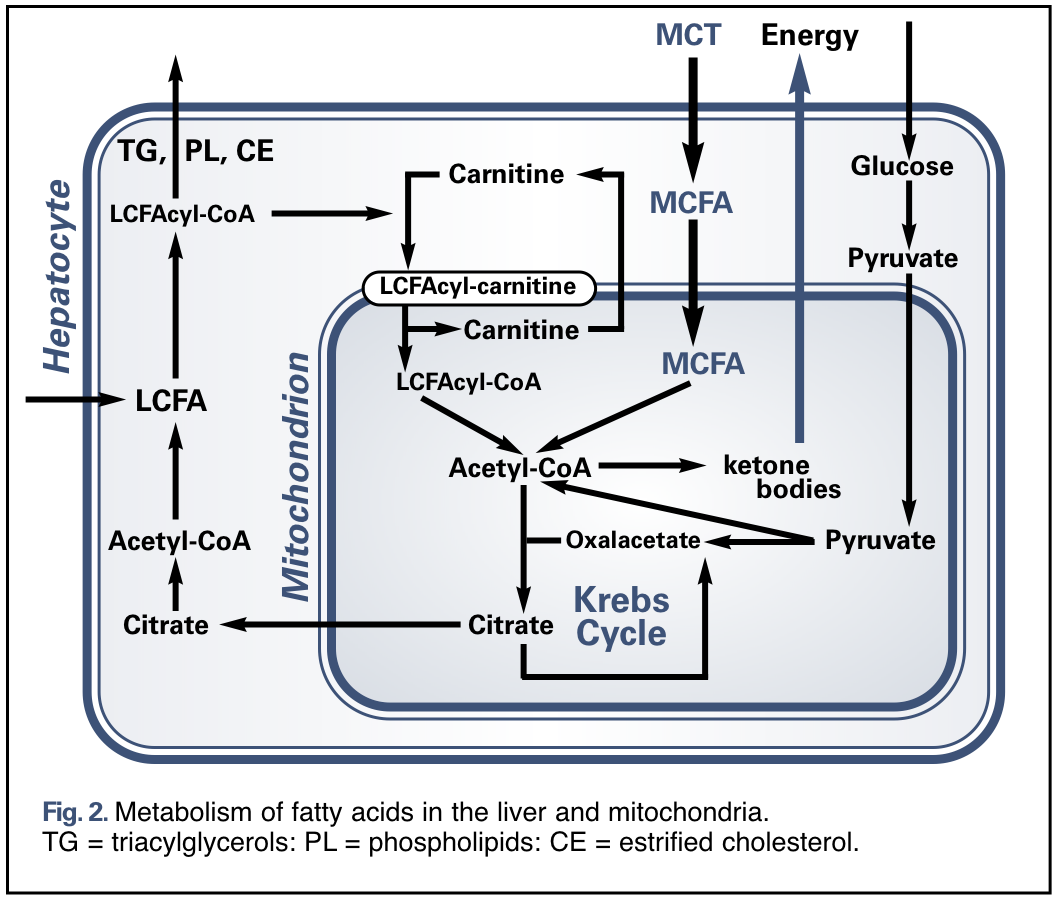
Medium Chain Triglyceride (MCT) fat metabolism
Why are MCT unique
- MCTs provide about ten percent fewer calories than LCTs – 8.3 calories per gram for MCTs versus 9 calories per gram for LCTs
- MCT are absorbed directly into the portal blood (and not into the lymphatics)
- MCT do not need the CPT enzyme to enter the TCA cycle
How to Improve BioAvailability of Turmeric
How to Improve Bioavailability of Turmeric?
Turmeric is scientifically called Curcuma longa. It is a rhizome, kind of herb of the ginger family. Turmeric is bitter in taste with a slight evocative fragrance of orange and ginger. It is one of the major ingredients of the Indian curries. It is derived from the root of the plant and has a brown upper covering and orange colored flesh. It was also known as “Indian saffron” because of its orange-yellow color. It has been used for quite a long time for medicinal purposes.
A few things about turmeric
(if you know this, please skip this section)
Turmeric is generally habituated in tropical regions of India like Tamilnadu because it requires 20-30 ®C temperature range for growth and an ample amount of rainfall. The nutritive quality of turmeric is due to its constituents. Turmeric has Manganese, Iron , Vitamin B6 , Fiber, copper, potassium, etc. Thus the nutritional value of turmeric is quite high. Turmeric is being used for the treatment of inflammatory and bowel diseases for quite a long time. Turmeric is used as an ingredient in curry, as a healing agent and used for textile dyeing purposes.
Curcumin is the most active constituent of turmeric (50-60%) and it has been shown to exhibits anti-oxidant and anti-inflammatory properties. Turmeric has been found to exhibit many therapeutic properties and hence is being used for centuries in the traditional Indian or Ayurvedic medicines. Turmeric has been discovered to have anti-cancerous properties. Also turmeric is being used for the treatment of inflammatory diseases such as tendinitis, liver cirrhosis, Alzheimer’s disease and many other digestive and blood related problems. It has other significant properties like anti-bacterial, liver and kidney protective nature, blood clot suppressing property and also helps in the prevention of heart attack and hypoglycemia.
What is Bioavailability of turmeric?
Many studies have shown that turmeric is safe even at higher dosage. The efficacy of turmeric has also been proved by many clinical studies. This efficacy and safety makes turmeric a potent compound for the treatment of wide range of human diseases. Besides all these reasons turmeric has not yet been officially declared as a therapeutic agent and the major reason behind this is the relative lowbioavailability of turmeric.
The reason behind the low availability of any agent within the body is its low indwelling activity, inactivity of metabolic compound or its rapid removal from the body. Studies rule out the first option of low intrinsic activity of turmeric. Turmeric’s efficacy and strong activity has helped in its establishment as a therapeutic component in the treatment of many ailments. However studies regarding absorption, transportation, assimilation and elimination of curcumin have revealed low absorption and its rapid metabolism which leads to relatively low bio-availability of turmeric.
Why turmeric has low bioavailability?
The major factors that affect the bio-availability of turmeric are sorted below
- Serum concentration
- Tissue distributions
- Rapid metabolism
- Short half-life
Serum concentrations
One of the major considerations in the study of curcumin involves low serum levels. The very first study reported related to the uptake, assimilation and excretion of curcumin was by Whalstrom and Blennow in 1978 using rats. In their studies they showed poor absorption of curcumin from the gut. When 1g/kg of curcumin was administered orally in the rats only negligible amount of curcumin was found in their blood plasma. Again in 1980, Ravindranath et al showed that when only 400 mg of curcumin was ingested by the rat, no trace of curcumin was found in the heart blood while only a small trace was found in the portal blood within 15 min to 24 hours of administration. In a very recent study Yang et al showed that administration of 10 mg/kg of curcumin results in only 0.36 µg/ml of curcumin in the blood serum. These studies show that the route of administration has a role to play in the metabolism of turmeric. Also the absorption of curcumin is a major factor responsible for low bio-availability of turmeric.
Tissue distribution
Ingestion and distribution of curcumin to various tissues of body is actively responsible for its bio-availability. But this topic has not got the attention of the scientists studying about the bio-availability of turmeric. Studies of Ravindranath revealed that only a trace amount of curcumin was present in the stomach and intestine. Many other studies in this filed have shown that even higher dosage of curcumin does not increase the absorption of curcumin as well as its distributions.
Metabolites
Liver is the major organ involved in the metabolism of curcumin. After absorption curcumin undergoes conjugations like sulfation and glucuronidation. When metabolized in liver, the major metabolic product of curcumin are glucuronides of Tetrahydrocurcumin (THC) and Hexahydrocurcumin (HHC). Most of the studies have shown that these metabolites are actually less active as compared to Curcumin itself. So when metabolized the activity of curcumin seems to be lost.
Half-life
Systemic excretion of curcumin from the body is also a major factor responsible for its activity. Studies by Whalstrom and Blennow showed that when 1g/kg curcumin was ingested by the rat, around 75% of the curcumin was excreted and only a trace amount was found in the urine. Thus low half-life of curcumin decreases its activity in the body. There is not much information about half-life of curcumin has an important role to play in its biological activity. But still it is a topic to be concentrated on in the future.
How can turmeric’s Low bioavailability be addressed?
These are the problems causing the low availability of curcumin. But some of these problems can be solved using various ways listed below
- Adjuvants
- Nanoparticles
- Liposomes, phospholipids and micelles
Adjuvants
Adjuvants generally improve the bio-availability of curcumin by blocking its metabolic pathway. Shoba et al combined Piperine which has the property to inhibit glucuronidation in the liver and intestine, then administered it in the rats and healthy humans. In rats when 2g/kg of only curcumin was administered, 1.35 µg/ml of curcumin was found in the blood serum. But when it was administered in combination with piperine (20mg/kg), the serum level was increased, time required to reach the peak level also increased, elimination and half-life were decreased reasonably. Bio-availability of curcumin was increased up to 154%. In humans when 2g curcumin was administered, the serum concentration was found to be either very low or were undetectable. Curcumin combined with piperine introduced in the humans, resulted in 2000% increased bio-availability. Thus the effect of introduction of piperine is much more significant in humans than in rats. The effect of piperine on tissue uptake has also been shown in many studies. Piperine is one such agent used. There are many other adjuvants that can be used to serve this purpose like genistein. Thus all these studies have shown that curcumin activity can be modulated both at cellular and organismic levels.
Nanoparticles
Recently nanoparticles are being used as targeted and triggered drug delivery mechanisms. These nanoparticles have also emerged as solutions for the bio-availability of certain therapeutic agents. Curcumin is hydrophobic in nature and the solubility in aqueous solutions arises a problem. Nanoparticles can be used to serve such purposes in a recent study by Bish et al polymer based nanoparticles with size less than 100 nm have been synthesized named “nanocurcumin”. Nanocurcumin has been found to have the similar biological activity as that of free curcumin. It has the same anti-oxidant and anti-inflammatory effects as the free curcumin has. There haven’t been much studies related to nanocurcumin increasing the efficacy of curcumin. But solid lipid nanoparticles when loaded with curcuminoids are found to be stable and release curcumin for 12 hours. Research work is going on to study the role of nanoparticles in increasing the efficacy of curcumin.
Phospholipids, micelles and liposomes
Liposomes are nice drug delivery systems as they have the ability to carry both hydrophobic as well as hydrophilic molecules. Li et al studies revealed that liposomal curcumin has anti-tumor property for human pancreatic tumor cells. It prevents the growth of pancreatic tumor cells and also has the anti-angiogenic properties. Evaluation of exact efficacy of liposomal curcumin over the free curcumin is still under process. The liposomal carrier has more loading capacity of curcumin and also plays a great role in increasing the bio-availability of curcumin.
Micelles and phospholipid complexes increase the absorption of drugs from the gastrointestinal tracts resulting in higher blood plasma concentration and lower elimination and thus increasing the bioavailability. Many studies suggest that the absorption of curcumin increases from 47% to 56% when it is present in the micelles. Ma et al studied that the half-life of polymeric micellar curcumin is 60 folds higher than free curcumin. In a study by Liu et al, curcumin (100 mg/kg) and curcumin-phospholipid complex (corresponding to 100 mg/kg) were administered in rats. Curcumin-phospholipid complex yielded 600 ng/ml of serum curcumin level while only 267 ng/ml in case of free curcumin. Also the half-life increases 1.5 folds in case of curcumin-phospholipid complex.
Easy ways to make turmeric bioavailable in body
The main reason behind the non-availability of curcumin in body for regular users is due to its low solubility in water. But there are other ways by which one can take curcumin without its solubility coming in its way.
Black Pepper: One can use the mixture of curcumin with pepper. Bioperine is an extract from the fruit of Piper nigrum (black pepper). It is one of the best ways to take turmeric by mixing it with Bioperine. Including black pepper in your diet or taking it with turmeric should help in absorption of turmeric in body.
Mixing with fats: Also mixing curcumin with fat will do. Curcumin can be mixed with coconut oil, flaxseed oil, olive oil etc.
Mixing with Quercetin: Curcumin can be taken as a mixture of curcumin and quercetin. Quercetin is flavonoid and is found in many plants and foods such as apple, red grapes, onion, citrus fruit etc. Quercetin inhibits the sulfotransferase enzyme that inactivates curcumin. Also bicurcumax is available which has curcumin dissolved in fat of 10-15% by weight.
Using Silibinin : This is the major active constituent of silymarin, a standardized extract of the milk thistle seeds. It is also know to increase the bioavailability of turmeric. Well, I am not sure how to use it this in daily life as of now.
Heated water: It can be taken with water too only if its solubility is enhanced (else it generally has to be taken with fats as part of food). Probably the bioavailability of curcumin can also be enhanced with heat because heat increases the solubility of curcumin in water. Studies have shown that boiling turmeric in water for 10 min increases its solubility 12 fold (remember its solubility, not absorption). The verdict is still not out on how much it impacts the absorption. But this may be the reason why taking turmeric with warm milk (golden milk!) is considered great!
Special tablets: Curcumin tablets are also available. These (one has to be careful as not all tablets may have this poperty, look for it before buying) are encapsulated and have a specific property. Much of the bio-activity of curcumin is lost because of the formation of curcumin glucorinide and curcumin sulfate which occurs in the acidic environment inside the stomach. So these capsules make sure of this that they dissolve only in alkaline environment and remain intact in acidic condition. So these capsules dissolve and the curcumin remains come out of the capsule in the intestine where its solublisation is not a problem.
Summary
As detailed above all these problems causing low bio-availability of curcumin can thus be overcome by the above given strategies, some of them I know are very tech. but others such as black pepper and with fat are easy to follow. As curcumin is very important in our day to day life as well as it has found its role in the medical field too, it needs to be modulated for proper utilization. The above explained modulation can thus overcome the situation of low bio-availability of curcumin.
13 Evidence-Based Medicinal Properties of Coconut Oil
13 Evidence-Based Medicinal Properties of Coconut Oil
This article reproduced from GreenMed Info
While coconut oil has dragged itself out of the muck of vast misrepresentation over the past few years, it still rarely gets the appreciation it truly deserves. Not just a “good” saturated fat, coconut oil is an exceptional healing agent as well, with loads of useful health applications.
Some examples of “good” saturated fat include
1. Fat-burning
Ironic, isn’t it? A saturated fat which can accelerate the loss of midsection fat (the most dangerous kind). Well, there are now two solid, human studies showing just two tablespoons a day (30 ml), in both men and women, is capable of reducing belly fat within 1-3 months.
2. Brain-Boosting
A now famous study, published in 2006 in the journal Neurobiology of Aging, showed that the administration of medium chain triglycerides (most plentifully found in coconut oil) in 20 subjects with Alzheimer’s disease or mild cognitive impairment, resulted in significant increases in ketone bodies (within only 90 minutes after treatment) associated with measurable cognitive improvement in those with less severe cognitive dysfunction.[i]
3. Clearing Head Lice
When combined with anise spray, coconut oil was found to be superior to the insecticide permethrin (.43%).[ii]
4. Healing Wounds
Coconut has been used for wound healing since time immemorial. Three of the identified mechanisms behind these healing effects are its ability to accelerate re-epithelialization, improve antioxidant enzyme activity, and stimulate higher collagen cross-linking within the tissue being repaired.[iii] Coconut oil has even been shown to work synergistically with traditional treatments, such as silver sulphadizine, to speed burn wound recovery.[iv]
5. NSAID Alternative
Coconut oil has been demonstrated to have anti-inflammatory, analgesic and fever-reducing properties.[v]
6. Anti-Ulcer Activity
Interestingly, coconut milk (which includes coconut oil components), has been shown to be as effective as the conventional drug sucralfate as an NSAID-associated anti-ulcer agent. [vi]
7. Anti-Fungal
In 2004, 52 isolates of Candida species were exposed to coconut oil. The most notorious form, Candida albicans, was found to have the highest susceptibility. Researchers remarked: “Coconut oil should be used in the treatment of fungal infections in view of emerging drug-resistant Candida species.” [vii]
8. Testosterone-Booster
Coconut oil was found to reduce oxidative stress in the testes of rats, resulting in significantly higher levels of testosterone. [viii]
9. Reducing Swollen Prostate
Coconut oil has been found to reduce testosterone-induced benign prostate growth in rats. [ix]
10. Improving Blood Lipids
Coconut oil consistently improves the LDL:HDL ratio in the blood of those who consume it. Given this effect, coconut oil can nolonger be dismissed for being ‘that saturated fat which clogs the arteries.’
11. Fat-Soluble Nutrient Absorption
Coconut oil was recently found to be superior to safflower oil in enhancing tomato carotenoid absorption. [x]
12. Bone Health
Coconut oil has been shown to reduce oxidative stress within the bone, which may prevent structural damage in osteoporotic bone. [xi] [Note: Osteoporosis is a Myth, as presently defined by the T-Score]
13. Sunscreen
Coconut oil has been shown to block out UV rays by 30%. Keep in mind that this is good, insofar as UVA rays are damaging to the skin, whereas UVB rays are highly beneficial (when exposure is moderate). [i] Make sure to check this list of other sun-blocking oils.
Of course, when speaking about coconut oil, we are only looking at one part of the amazing coconut palm. Each component, including coconut hull fiber, coconut protein and coconut water has experimentally confirmed therapeutic applications.
Article Sources
[i] Mark A Reger, Samuel T Henderson, Cathy Hale, Brenna Cholerton, Laura D Baker, G S Watson, Karen Hyde, Darla Chapman, Suzanne Craft . Effects of beta-hydroxybutyrate on cognition in memory-impaired adults. Neurobiol Aging. 2004 Mar;25(3):311-4. PMID: 15123336
[ii] Ian F Burgess, Elizabeth R Brunton, Nazma A Burgess . Clinical trial showing superiority of a coconut and anise spray over permethrin 0.43% lotion for head louse infestation, ISRCTN96469780. Eur J Pediatr. 2010 Jan ;169(1):55-62. Epub 2009 Apr 3. PMID: 19343362
[iii] K G Nevin, T Rajamohan . Effect of topical application of virgin coconut oil on skincomponents and antioxidant status during dermal wound healing in young rats. Skin Pharmacol Physiol. 2010 ;23(6):290-7. Epub 2010 Jun 3. PMID: 20523108
[iv] Pallavi Srivastava, S Durgaprasad. Burn wound healing property of Cocos nucifera: An appraisal. Indian J Pharmacol. 2008 Aug;40(4):144-6. PMID: 20040946
[v] S Intahphuak, P Khonsung, A Panthong. Anti-inflammatory, analgesic, and antipyretic activities of virgin coconut oil. Pharm Biol. 2010 Feb;48(2):151-7. PMID: 20645831
[vi] R O Nneli, O A Woyike. Antiulcerogenic effects of coconut (Cocos nucifera) extract in rats.Phytother Res. 2008 Jul;22(7):970-2. PMID: 18521965
[vii] D O Ogbolu, A A Oni, O A Daini, A P Oloko. In vitro antimicrobial properties of coconut oil on Candida species in Ibadan, Nigeria. J Med Food. 2007 Jun;10(2):384-7. PMID: 17651080
[viii] Graciela E Hurtado de Catalfo, María J T de Alaniz, Carlos A Marra. Dietary lipids modify redox homeostasis and steroidogenic status in rat testis. Phytother Res. 2010 Feb;24(2):163-8. PMID: 18549927
[ix] María de Lourdes Arruzazabala, Vivian Molina, Rosa Más, Daisy Carbajal, David Marrero, Víctor González, Eduardo Rodríguez. Effects of coconut oil on testosterone-induced prostatic hyperplasia in Sprague-Dawley rats. J Pharm Pharmacol. 2007 Jul;59(7):995-9. PMID: 17637195
[x] Lauren E Conlon, Ryan D King, Nancy E Moran, John W Erdman. Coconut Oil Enhances Tomato Carotenoid Tissue Accumulation Compared to Safflower Oil in the Mongolian Gerbil (Meriones unguiculatus). J Agric Food Chem. 2012 Aug 7. Epub 2012 Aug 7. PMID: 22866697
[xi] Mouna Abdelrahman Abujazia, Norliza Muhammad, Ahmad Nazrun Shuid, Ima Nirwana Soelaiman. The Effects of Virgin Coconut Oil on Bone Oxidative Status in Ovariectomised Rat.Evid Based Complement Alternat Med. 2012 ;2012:525079. Epub 2012 Aug 15. PMID: 2292787
About the Author
Sayer Ji is the founder and director of GreenMedInfo.com and co-author of the book The Cancer Killers: The Cause Is The Cure with New York Times best-seller Dr. Ben Lerner and Dr. Charles Majors. His writings and research have been published in the Wellbeing Journal, the Journal of Gluten Sensitivity, and have been featured on Mercola.com, NaturalNews.com, Reuters.com, GaryNull.com, Infowars.com and Care2.com.
Influence of piperine on the pharmacokinetics of curcumin in animals and human volunteers.
Abstract
The medicinal properties of curcumin obtained from Curcuma longa L. cannot be utilised because of poor bioavailability due to its rapid metabolism in the liver and intestinal wall. In this study, the effect of combining piperine, a known inhibitor of hepatic and intestinal glucuronidation, was evaluated on the bioavailability of curcumin in rats and healthy human volunteers. When curcumin was given alone, in the dose 2 g/kg to rats, moderate serum concentrations were achieved over a period of 4 h. Concomitant administration of piperine 20 mg/kg increased the serum concentration of curcumin for a short period of 1-2 h post drug. Time to maximum was significantly increased (P < 0.02) while elimination half life and clearance significantly decreased (P < 0.02), and the bioavailability was increased by 154%. On the other hand in humans after a dose of 2 g curcumin alone, serum levels were either undetectable or very low. Concomitant administration of piperine 20 mg produced much higher concentrations from 0.25 to 1 h post drug (P < 0.01 at 0.25 and 0.5 h; P < 0.001 at 1 h), the increase in bioavailability was 2000%. The study shows that in the dosages used, in both rats and humans with no adverse effects.
Shoba G1, Joy D, Joseph T, Majeed M, Rajendran R, Srinivas PS.
Recent Developments in Delivery, Bioavailability, Absorption and Metabolism of Curcumin: the Golden Pigment from Golden Spice
Abstract
Curcumin (diferuloylmethane) is a yellow pigment present in the spice turmeric (Curcuma longa) that has been associated with antioxidant, anti-inflammatory, anticancer, antiviral, and antibacterial activities as indicated by over 6,000 citations. In addition, over one hundred clinical studies have been carried out with curcumin. One of the major problems with curcumin is perceived to be the bioavailability. How curcumin should be delivered in vivo, how bioavailable is it, how well curcumin is absorbed and how it is metabolized, is the focus of this review. Various formulations of curcumin that are currently available are also discussed.
Sahdeo Prasad, PhD, Amit K. Tyagi, PhD, and Bharat B. Aggarwal, PhD
Facts about Coconut Oil
Coconut oil has unique attributes including
- High Medium Chain Fatty Acid (MCFA) content
- MCFA are more polar and hydrophilic than long-chain fatty acids (LCFA), therefore, they are more rapidly absorbed by the epithelial intestinal cells
- MCFA is soluble in water, and is transported via hilus hepatis directly to the liver, bound to albumin.
- It does not require the CPT enzyme to be transported through the mitochondrial membrane
- Provides a swift source of non glucose energy
- Cannot be oxidated due to the number of carbon atoms already bound to oxygen
- MCFA provide about ten percent fewer calories than LCFA’s – 8.3 calories per gram for MCTs versus 9 calories per gram for LCFA’s
- More importantly, reduced chain length also means that MCFAs are more rapidly absorbed by the body and more quickly metabolized (burned) as fuel
- The result of this accelerated metabolic conversion is that instead of being stored as fat, the calories contained in MCFA’s are very efficiently converted into fuel for immediate use by organs and muscles.
Intestinal permeability – a new target for disease prevention and therapy
Stephan C Bischoff1*, Giovanni Barbara2, Wim Buurman3, Theo Ockhuizen4, Jörg-Dieter Schulzke5, Matteo Serino6, Herbert Tilg7, Alastair Watson8 and Jerry M Wells9
BMC Gastroenterology 2014, 14:189
Abstract
Data are accumulating that emphasize the important role of the intestinal barrier and intestinal permeability for health and disease. However, these terms are poorly defined, their assessment is a matter of debate, and their clinical significance is not clearly established. In the present review, current knowledge on mucosal barrier and its role in disease prevention and therapy is summarized. First, the relevant terms `intestinal barrier¿ and `intestinal permeability¿ are defined. Secondly, the key element of the intestinal barrier affecting permeability are described. This barrier represents a huge mucosal surface, where billions of bacteria face the largest immune system of our body. On the one hand, an intact intestinal barrier protects the human organism against invasion of microorganisms and toxins, on the other hand, this barrier must be open to absorb essential fluids and nutrients. Such opposing goals are achieved by a complex anatomical and functional structure the intestinal barrier consists of, the functional status of which is described by `intestinal permeability¿. Third, the regulation of intestinal permeability by diet and bacteria is depicted. In particular, potential barrier disruptors such as hypoperfusion of the gut, infections and toxins, but also selected over-dosed nutrients, drugs, and other lifestyle factors have to be considered. In the fourth part, the means to assess intestinal permeability are presented and critically discussed. The means vary enormously and probably assess different functional components of the barrier. The barrier assessments are further hindered by the natural variability of this functional entity depending on species and genes as well as on diet and other environmental factors. In the final part, we discuss selected diseases associated with increased intestinal permeability such as critically illness, inflammatory bowel diseases, celiac disease, food allergy, irritable bowel syndrome, and ¿ more recently recognized ¿ obesity and metabolic diseases. All these diseases are characterized by inflammation that might be triggered by the translocation of luminal components into the host. In summary, intestinal permeability, which is a feature of intestinal barrier function, is increasingly recognized as being of relevance for health and disease, and therefore, this topic warrants more attention.
Beta Alanine
Benefits of Beta-Alanine as supported by scientific studies:
- Increase Muscular Strength & Power Output.
- Increases Muscle Mass
- Increase Anaerobic Endurance
- Increases Aerobic Endurance
- Delay Muscular Fatigue- Train Harder & Longer
Who can benefit from beta-alanine?
- Weight lifters & Bodybuilders
- High Intensity Cross Trained Athletes, Military Personal
- MMA Fighters and sport specific training that require both strength and endurance.
- Runners, Cyclists, soccer players, hockey players
- Active individuals who have reached a training plateau and are looking for something to take them to the next level.
- Men and women
What causes our muscles to lose strength,power and endurance during intense exercise?
When we exercise, especially when it’s high intensity exercise, our bodies accumulate a large amount of hydrogen ions (H+), causing our muscles pH to drop (become more acidic). This process is occurring whether you feel a burn or not.
The breakdown of ATP and the subsequent rise in H+ concentrations occur in all of our energy systems but H+ buildup is most prevalent in an energy system called glycolysis, which also produces lactic acid. At physiological pH, lactic acid dissociates H+ and is the primary source of released H+ ions during exercise, causing pH to drop. It is the released H+ from lactic acid that causes muscular performance problems, not the leftover lactate ions as many incorrectly believe. While lactic acid is the primary source of released H+, it is not the only source. H+ ions are also being released at a rapid rate when you break down the high energy compound ATP during exercise. With the presence of many sources during energy production releasing H+, pH drops quickly.
As our muscles pH quickly drops, so does their ability to contract forcibly and maintain a high level of performance throughout your workout session. Not being able to perform and maintain forceful muscular contractions and push your body to the limit during your workout session, seriously hampers your ability to maximally overload your muscles and force new muscle gains.
In a nutshell, H+ causes your muscles pH to drop, in tern decreasing your strength and causing you to fatigue faster. These limitations stop you from adequately overloading your muscles and forcing NEW muscle gains
Flaxseed oil intake reduces serum small dense low-density lipoprotein concentrations in Japanese men: a randomized, double blind, crossover study
Yuka Kawakami†, Hisami Yamanaka-Okumura*†, Yuko Naniwa-Kuroki†, Masae Sakuma,Yutaka Taketani and Eiji Takeda
Abstract
Background
The effects of alpha-linolenic acid (ALA) on cardiovascular risk factors considerably vary between published reports. Therefore, we investigated the effects of 12-week supplementation with flaxseed oil (FO), which is a rich source of ALA, on cardiovascular risk factors such as serum small dense low-density lipoprotein (sd-LDL) concentrations.
Methods
In a randomized, double blind, crossover study, 15 subjects ingested 10 g of FO or corn oil (CO), containing 5.49 g and 0.09 g of ALA, respectively, once daily with dinner. Blood samples were collected at 0, 4 and 12 weeks, and were used for analysis of serum lipid, lipid-related proteins, serum fatty acids and serum sd-LDL cholesterol. Differences during the test period were identified using a repeated-measures analysis of variance (ANOVA) for within-group effects. Group differences were identified using paired t-test at each blood sampling time point.
Results
ALA and eicosapentaenoic acid concentrations were significantly higher in the FO period at 4 and 12 weeks than in the CO period. No significant differences in docosahexaenoic acid concentrations were observed between two periods, and cholesteryl ester transfer protein and apolipoprotein B concentrations were significantly lower in the FO period than in the CO period at 12 weeks. FO supplementation was associated with a significant decrease in sd-LDL concentrations at 4 and 12 weeks, and CO supplementation had no effect. Moreover, sd-LDL concentrations were significantly lower in the FO period than in the CO period at 4 weeks. Among subjects with triglyceride (TG) concentrations of >100 mg/dl, FO supplementation markedly reduced sd-LDL concentrations at 4 and 12 weeks compared with baseline. Sd-LDL concentrations significantly differed between the periods at both 4 and 12 weeks.
Conclusion
This study indicates that the FO, which is a rich source of ALA, leads to lower sd-LDL cholesterol concentrations.
Resveratrol and Metabolic Disease
Resveratrol and Metabolic Disease

Resveratrol and Metabolic Disease:
Scientists have been astonished by the remarkable health benefits associated with resveratrol. This unique nutrient found in grape skins has a powerful effect on the genetic expression of the mitochondria within every cell. By positively effecting mitochondrial function, resveratrol, has been shown to help in the prevention ofcancer, heart disease and other metabolic conditions (1).
Researchers have been intrigued for years about what has been traditionally called the French paradox. This refers to how many of these native French are able to smoke cigarettes and drink lots of alcohol and still maintain good health. They have looked at the dark, fermented wines these individuals drink on a regular basis.
They have found the active compound in red wine, called resveratrol, has extraordinary health benefits. Resveratrol is a unique polyphenolic anti-oxidant found in the grape skins and seeds and some berries. It plays a critical role in the plant’s natural defense system against injury, infection and disease (2).

Resveratrol and Gene Expression:
Resveratrol has been shown to have an incredible influence on gene expression that has profound anti-aging effects (3). This mimics the positive benefits of caloric restriction and extends lifespan. Most people are intimidated by extreme caloric restriction and would prefer to get the same anti-aging benefits from an anti-oxidant rich diet and supplements such as resveratrol.
A Harvard study in 2003 found that resveratrol boosted the life span of yeast cells by as much as 70% (4). They then carried the testing out with similar results in roundworms and fruit flies. This made resveratrol the first compound to have anti-aging benefits in a widely divergent species. Italian scientists in 2006 showed that resveratrol could extend life by more than 50% in more advanced species of fish (5).

Resveratrol and Mitochondrial Health:
Resveratrol has been shown to activate a group of mitochondrial proteins in the sirtuin family and in particular (SIRT1) (6). Several studies have shown that this sirtuin activation results in an increased level of mitochrondria in the body. This plays a big role in energy production, fat and sugar metabolism and blood sugar stability. With improved blood sugar the body is better able to regulate insulin and other hormones which reduces inflammation and improves fat burning.
The mitochondria of the cell control the metabolic function of the cell and ultimately the body. Resveratrol’s ability to reduce inflammatory stress on the mitochondria and upregulate mitochondrial numbers has an enormous impact on whole body health. Healthy restored mitochondria are significantly more efficient and produce less free radicals than older mitochondria.

Resveratrol has a strong ability at optimizing the health of the nitric oxide cycle. Nitric oxide is a chemical signaling molecule that is involved in the nervous, immune and vascular systems. There are three main forms of nitric oxide which include endothelial nitric oxide (eNOS), inducible nitric oxide (iNOS) and neuronal nitric oxide (nNOS). Healthy brain and cardiovascular function depends upon a greater eNOS and nNOS activity and suppressed iNOS activity. This pattern allows for healthy blood flow in the brain and coronary arteries and blood vessels throughout the body.
Chronic inflammatory stress lowers eNOS and nNOS activity and increases iNOS activity. This pattern is a major risk factor for hypertenstion, cardiovascular disease and neurodegenerative states. Resveratrol has been shown to strongly improve this nitric oxide cycle which enhances endothelial activity to enhance blood flow dynamics to important regions of the body such as the coronary arteries and brain (7, 8). This strongly reduces the risk of heart disease and neurodegenerative states like Alzheimer’s and Parkinson’s.

Resveratrol and Cancer:
Resveratrol has a profound effect at inhibiting the master inflammatory compound Nuclear factor Kappa Beta (NF-KB) (9). NF-KB initiates inflammatory processes that are implicated in cancer cell formation. Resveratrol also makes cancer cells more vulnerable to our bodies natural immune cell induced attacks. Scientists are looking very closely at reseveratrol as an adjunct therapy for increasing the effectiveness of traditional chemotherapy on destroying cancerous growths.
Cancer cells are known to have dysfunctional mitochondrial function. This is evidenced in the inability for cancer cells to derive energy from oxidative phosphorylation. These cells rely completely on anaerobic glycolysis for energy production. Addressing the mitochondria which drives the energy production of the cell is key to terminating abnormal tissue growths
Part of the process of breast cancer is a dysregulation of the Heregulin-Beta1 (HRG-beta 1) cell signaling pathway. This pathway activates the Matrix metalloproteinase (MMP) 9 enzyme which leads to invasive tumor growth. Resveratrol has also been able to shown to down regulate this pathway and slow the growth of breast cancer.
Many other studies have indicated resveratrol’s effectiveness in shutting down growth in pancreatic, liver, colon, prostatic, skin and many other cancer cell types (10, 11). Most scientists relate this back to the ability of resveratrol to effect mitochondrial function through the sirtuin proteins that regulate proper function.

Proper Resveratrol Dosages:
Supplements should be in the range of 20-100 mg to achieve the same benefits observed in most of these studies on degenerative disease states. The dosage of 20mg daily is appropriate for healthy adults without any significant health history to obtain the beneficial anti-aging gene expression that resveratrol provides. Individuals with advanced cancer should look at getting dosages in the 100-200 mg range.
An ounce of red wine averages around 90 micrograms of resveratrol. This is the 220 times less than the minimal dosage (20 mg) of resveratrol supplementation. A glass of wine is approximately five and a third ounces. At this scale it would take 41 glasses of red wine to achieve the minimal supplemental dosage of resveratrol used in these studies.

Pterostilbene – Resveratrol:
This is a naturally occurring phenolic compound/analog of resveratrol that has comparatively better oral bioavailability, has been shown to possess cytotoxic, cytokine-inhibiting, and antioxidant properties (12). This compound has also been shown to slow the process of aging by reducing telomerase activity (13).
We have included 100 mg of Pterostilbene in our Nrf2 Power. This supplement also contains bioactive curcumin, sulfuraphane and ECGC from green tea extract. This is a potent anti-inflammatory and anti-aging supplement.
Sources For This Article Include:
- Lea MA, Pourat J, Patel R, desBordes C. Growth inhibition of colon cancer cells by compounds affecting AMPK activity. World J Gastrointest Oncol. 2014 Jul 15;6(7):244-52. PMID: 25024815
- Zou T, Yang Y, Xia F, Huang A, Gao X, Fang D, Xiong S, Zhang J. Resveratrol Inhibits CD4+ T cell activation by enhancing the expression and activity of Sirt1. PLoS One. 2013 Sep 20;8(9):e75139. PMID: 24073240
- Tang FY, Chiang EP, Sun YC. Resveratrol inhibits heregulin-beta1-mediated matrix metalloproteinase-9 expression and cell invasion in human breast cancer cells. J Nutr Biochem. 2008 May;19(5):287-94. PMID: 17651959
- Howitz KT, Bitterman KJ, Cohen HY, Lamming DW, Lavu S, Wood JG, Zipkin RE, Chung P, Kisielewski A, Zhang LL, Scherer B, Sinclair DA. Small molecule activators of sirtuins extend Saccharomyces cerevisiae lifespan. Nature. 2003 Sep 11;425(6954):191-6. PMID: 12939617
- Valenzano DR, Terzibasi E, Genade T, Cattaneo A, Domenici L, Cellerino A. Resveratrol prolongs lifespan and retards the onset of age-related markers in a short-lived vertebrate. Curr Biol. 2006 Feb 7;16(3):296-300. PMID:16461283
- Currò M, Trovato-Salinaro A, Gugliandolo A, Koverech G, Lodato F, Caccamo D, Calabrese V, Ientile R. Resveratrol protects against homocysteine-induced cell damage via cell stress response in neuroblastoma cells. J Neurosci Res. 2015 Jan;93(1):149-56. PMID: 25042273
- Eo SH, Cho H, Kim SJ. Resveratrol Inhibits Nitric Oxide-Induced Apoptosis via the NF-Kappa B Pathway in Rabbit Articular Chondrocytes. Biomol Ther (Seoul). 2013 Sep 30;21(5):364-70. PMID: 24244824
- Prabhakar O. Cerebroprotective effect of resveratrol through antioxidant and anti-inflammatory effects in diabetic rats. Naunyn Schmiedebergs Arch Pharmacol. 2013 Aug;386(8):705-10. PMID: 23612842
- Zheng X, Zhu S, Chang S, Cao Y, Dong J, Li J, Long R, Zhou Y. Protective effects of chronic resveratrol treatment on vascular inflammatory injury in streptozotocin-induced type 2 diabetic rats: Role of NF-kappa B signaling. Eur J Pharmacol. 2013 Oct 25. PMID: 24513509
- Lea MA, Pourat J, Patel R, desBordes C. World Growth inhibition of colon cancer cells by compounds affecting AMPK activity. J Gastrointest Oncol. 2014 Jul 15;6(7):244-52. PMID: 25024815
- Singh CK, Pitschmann A, Ahmad N. Resveratrol-zinc combination for prostate cancer management. Cell Cycle. 2014;13(12):1867-74. PMID:24866157
- Sato D, Shimizu N, Shimizu Y, Akagi M, Eshita Y, Ozaki S, Nakajima N, Ishihara K, Masuoka N, Hamada H, Shimoda K, Kubota N. Synthesis of glycosides of resveratrol, pterostilbene, and piceatannol, and their anti-oxidant, anti-allergic, and neuroprotective activities. Biosci Biotechnol Biochem. 2014;78(7):1123-8. PMID: 25229845
- Tippani R, Prakhya LJ, Porika M, Sirisha K, Abbagani S, Thammidala C. Pterostilbene as a potential novel telomerase inhibitor: molecular docking studies and its in vitro evaluation. Curr Pharm Biotechnol. 2014;14(12):1027-35. PMID: 24433502
Additional Sources For This Article:
http://science.naturalnews.com/2008/3514322_Resveratrol_inhibits_heregulin_beta1_mediated_matrix_metalloproteinase_9_expression_and.html
http://www.naturalnews.com/041507_melanoma_resveratrol_red_wine.html
http://www.lef.org/magazine/mag2007/mar2007_report_resveratrol_04.htm
http://science.naturalnews.com/2011/2416559_Control_of_prostate_cell_growth_DNA_damage_and_repair_and.html
http://science.naturalnews.com/2009/2541462_Resveratrol_mediated_chemoprevention_of_diethylnitrosamine_initiated_hepatocarcinogenesis_inhibition_of_cell.html
http://science.naturalnews.com/2007/2551661_Resveratrol_increases_vascular_oxidative_stress_resistance.html
http://www.healthyfellow.com/431/reserveage-ultimate-antioxidant-product-review/
http://lemandalaphytoblog.blogspot.com/
http://www.frontiersin.org/Journal/10.3389/fphys.2012.00218/full
http://www.bodybuilding.com/fun/resveratrol-benefits-how-good-grape-skin-supplement.html
Combined resveratrol and curcumin for Hashimoto’s hypothyroidism
Combined resveratrol and curcumin for Hashimoto’s hypothyroidism
Resveratrol is a compound derived from Japanese knotweed, and curcumin is derived from the popular curry spice turmeric. Both are well known for their antioxidant qualities.
However, newer research shows that taking them together creates a synergistic effect, making them potent tools for quenching the inflammation and damage associated with Hashimoto’s flare-ups and chronic inflammation.
Beneficial effects of inorganic nitrate/nitrite in type 2 diabetes and its complications
It seems that dietary nitrate/nitrite could be a compensatory fuel for a disrupted nitrate/nitrite/NO pathway and related disorders in diabetes. Although some beneficial properties of nitrate/nitrite have been reported by experimental investigations, long-term clinical studies with various doses of inorganic nitrate/nitrite supplementation, are recommended to confirm these effects.
Zahra Bahadoran1, Asghar Ghasemi23, Parvin Mirmiran4, Fereidoun Azizi3 and Farzad Hadaegh5*
Beetroot juice: good science or great marketing hype?
No doubt you’ve seen, heard of or tried beetroot juice as a sports supplement. It’s been around for a few years now. Mark Cavendish coined the hashtag #pissingrainbow to describe the effect it had on his urine (it goes an orangey-pink colour, which is normal and harmless).Like many supplements before it, beetroot juice has followed the typical pattern that accompanies these types of products. In my last article, I described this pattern of research, marketing and use by athletes. Today I’ll take a closer look at beetroot juice specifically and whether or not it lives up to the claims made about it.
Beetroot Juice – How’d they think of that?!
The theory behind how beetroot juice enhances performance is a complex but interesting one. It’s been known for quite a while that nitric oxide (NO) in the blood is involved in the way that muscles produce energy. More NO in the blood during exercise appears to reduce the amount of oxygen it takes to produce energy, creating a type of “fuel efficiency” that could potentially improve exercise performance.
Early studies (see here and here) looked at trying to increase the amount of NO in blood by supplementing with the amino acid L-arginine, which is readily converted to NO in the blood. However this failed to produce the desired effect because the conversion of L-arginine only occurs in the presence of ample oxygen in the blood, which is not the case during exercise (because it’s being extracted to produce energy in the muscles).
More recently, however, it was discovered that blood nitrite (NO2-) could also be converted to nitric oxide, and does so during periods where blood oxygen levels were low. So the idea was to find a way to increase the level of nitrite in the blood.
Nitrite levels in the blood can be increased with direct supplementation of nitrite salts. But even tiny amounts of these increase the blood levels far too high, to a level that is toxic to humans (about as toxic as cyanide!). So scientists began looking at an indirect way to increase nitrite levels enough to produce more nitric oxide, but within a range that was safe.
To do this they realised that supplementing with nitrate (NO3-) could achieve this, because nitrate can be converted to nitrite. Interestingly, this conversion doesn’t occur in your blood, but actually takes place in your mouth – the bacteria that live in your mouth are capable of this conversion.
When you ingest nitrate initially, most of it is absorbed into the blood, but then secreted back into your mouth through the saliva glands. The bacteria then convert this to tiny amounts of nitrite, which is then re-absorbed into the blood, increasing the blood nitrite significantly, but safely.
Bring on the beets
This is where beetroot juice enters the picture. Of the naturally occurring food sources of nitrate, beetroot is one of the best and most palatable in the quantities needed to significantly increase blood nitrate (and therefore nitrite) levels. Hence the use of beetroot juice as a way of safely boosting blood nitrite was born.
About 300-500mL of beetroot juice provides the amount of nitrate needed for the average person to increase their blood nitrite, which occurs about 2-3 hours after drinking it. However just going out, buying your own beets and putting them in the food processor doesn’t guarantee you’ll get the benefit. The nitrate content of vegetables (including beetroot) varies significantly according to the soil it’s grown in, the time of year, the fertiliser used, and how soon after being picked the beets are juiced.
Therefore, to get a known quantity of nitrate, a few manufacturers (firstly in the UK and now in Australia) have sprung up, offering bottled beetroot juice with a known nitrate content.
Where’s the research at now?
The early studies of nitrate supplementation were published in 2007 (another followed in 2009) and followed the typical cycle I described in my last article. They were conducted in relatively untrained athletes, doing exercises that were easy to control in the lab but had little to do with actual sport.
Most also didn’t measure performance per se, instead measuring the body’s use of oxygen and showed the beetroot juice lowered the amount of oxygen required to do the same set amount of exercise. So it’s an inferred benefit, but not a measured enhancement of athletic performance by any means.
But these studies did spark the hype, publicity and commercial sales of the early beetroot juice products about three or four years ago.
Between 2009 and 2011 a few studies (here, here and here) were published that showed that nitrate supplementation (mostly from beetroot juice) improved the duration that someone could cycle at a constant intensity without having to stop. However it’s well known that these types of results don’t always translate into improved performance in a race situation (fixed distance, variable intensity not the other way around).
It wasn’t until 2011 that the first study was published that measured meaningful sporting performance with beetroot juice supplementation. In that study non-elite athletes took a single dose of beetroot juice three hours prior to both a 4km and 16km time trial. In both cases performance improved by around 2.7% compared to placebo (beetroot juice treated to remove the nitrate). The study showed that participants were able to maintain a higher power output for the same amount of oxygen consumed (or ride at the same power output while consuming less oxygen).
But 4km and 16km TTs are not a great indication of the ability of beetroot juice to improve performance in road cycling.
It wasn’t until last year that the first studies (here and here) were published looking at beetroot juice and cycling performance over longer distances. These studies also used elite level athletes for the first time. So far these studies have provided mixed results – while the average of all participants was not significantly better than placebo, some participants did improve with supplementation while others didn’t.
Those who did improve with beetroot juice were the ones where the supplementation increased their blood nitrite levels – but not everyone seemed to get that increase. Researchers speculate that this might be the case in highly trained athletes (say A-grade club and above) because they already have a high blood nitrite level without supplementation, possibly an adaptation to their training.
Many scientists are now concluding that a one-off dose of beetroot juice will not improve performance in highly trained athletes, and it may take much larger doses of nitrate (e.g. up to a week of drinking beetroot juice every day or using more potent forms of nitrate supplementation, such as sodium nitrate) to shift blood nitrite levels. However this is yet to be studied, so can only be viewed as theory or speculation.
It’s entirely possible that no amount of nitrate supplementation will improve performance in elite athletes, but until the research has reached its natural conclusion we won’t know whether beetroot juice is here to stay or a passing fad.
The products
There are a few brands of beetroot juice now available on the market in Australia. One of those brands, Beet It, is imported from the UK and was one of the first available here. It’s sold in selected health food stores. They make a beetroot and apple juice blend (you need to drink around 300-500mL to get the benefit of the nitrate), as well as “shots” of concentrated beetroot juice mixed with a touch of lemon juice. I first tried these with the search2retain team last year and the feedback on the taste wasn’t great – a bit like opening a can of beetroot and drinking the juice – only 500mL of it!
Throughout last year one of the search2retain guys stumbled across another product, Sunraysia Beetroot & Apple Juice, which is made here in Australia and sold in supermarkets for a lot less than the Beet It. This is probably because Sunraysia produced the drink with general health in mind (nitrates can also lower blood pressure), not as a sports specific product. Importantly, the riders rated the flavour much better and yet the nitrate level is about the same.
A new comer to the beetroot juice market is UpBeat, made in Western Australia. I haven’t tried this one so can’t comment on the taste, but it’s nitrate content is a little higher so you only need to drink 250mL to get the same amount of nitrate.
Summary
Beetroot juice may improve performance for some athletes in some situations, but exactly who and when is not yet clear from a research standpoint. But I’m sure that athletes who regularly measure and monitor their performance can decide for themselves whether it works or not.
For more elite athletes it’s likely that you’d need to use beetroot juice for several days in a row to get a meaningful boost in blood nitrite (and hence performance). But for the rest of us a single dose about 2-3 hours before exercise may just give you an extra percent or two.
***
Note: I’ve provided links to the abstracts of many of the research papers mentioned in this article. Please be aware though that the devil is usually in the detail with these types of studies, and so simply reading the brief results and the authors’ opinions in their conclusions often doesn’t give the full story. I could write another whole article using examples of where the abstract tells a very different story to the full text!
Relationship between diet and metabolic syndrome in people with normal weight
Association between dietary patterns and metabolic syndrome in individuals with normal weight: a cross-sectional study
MCT Oil vs. Coconut Oil: The Truth Exposed
MCT Oil vs. Coconut Oil: The Truth Exposed
by Brian Shilhavy
Health Impact News
There is a lot of misinformation on the Internet regarding the differences between MCT oil and coconut oil. So let’s clearly define what each product is and how they differ. Once we have this proper understanding, the myths regarding MCT oil that are being propagated will become very obvious.
What are MCTs?
Before we can begin our comparison of MCT oil and coconut oil, the first thing we have to do is define “MCT.” MCTs stands for medium chain triglycerides. Another term for “triglycerides” is fatty acids. So another way of referring to MCTs is MCFA (medium chain fatty acids).
“Medium” references the chain length of the fatty acids. Oils can contain short chain, medium chain, or long chain fatty acids. Most oils are a combination of all three types.
Medium chain fatty acids contain between 6 and 12 carbon chains [1]. They are:
- C6 – Caproic Acid
- C8 – Caprylic Acid
- C10 – Capric Acid
- C12 – Lauric Acid
These medium chain fatty acids are known to have tremendous health benefits.
C6 through C10, although found in coconut oil, are more predominant in other places in nature, such as goat’s milk. This is reflected in their names, taken from “capra,” which means “goat.”
The most predominant MCT found in coconut oil, however, is lauric acid. Coconut oil is about 50% lauric acid, making it nature’s richest source of lauric acid.
While all the MCTs have known health benefits, lauric acid is the most well-known of the four. Lauric acid is prized around the world as a powerful antimicrobial agent, used in both food preservation as well as in drugs and nutraceuticals.
A recent search on the popular International Trading website Alibaba.com, for example, showed the following results when searching for each particular fatty acid:
- Lauric acid – 1,861 Products from 194 Suppliers
- Caprylic Acid – 451 Products from 66 Suppliers
- Caproic acid – 393 Products from 69 Suppliers
- Capric Acid – 206 Products from 56 Suppliers
Lauric acid products total more than the three capra MCT fatty acid products combined.
MCT Oil is Manufactured – Coconut Oil is Natural
Coconut oil in nature contains all four MCTs. In addition, it contains a small percentage of longer chain fatty acids.
MCT oil, on the other hand, is not an oil found in nature, but is manufactured by machine to separate out the medium chain fatty acids from the rest of the oil. The fatty acids are extracted through an industrial process of “fractionation”.
The logic is that since MCTs are healthy, the more the better. Therefore, it is a popular belief that MCT oil is healthier than coconut oil. But is this true?
What is MCT Oil?
Where the logic fails in comparing MCT oil to coconut oil, is in the assumption that all four MCTs are present in MCT oil, and only the longer chain fatty acids from coconut oil are removed. This assumption is false.
MCT oils generally contain only the capra fatty acids. Lauric acid is either missing, or present in minuscule amounts. Therefore, to assume that MCT oil is a fractionation of coconut oil, where the longer chain fatty acids have been removed, leaving all of the MCTs from coconut oil, is false. Lauric acid is the star component in coconut oil, but missing in MCT oil. If MCT oil was the fractionation of all of the MCTs in coconut oil, it would be about 80% lauric acid. But it is not. It is zero percent lauric acid.
This is not surprising if you think about it. Lauric acid is the most valuable component of coconut oil, and as we saw above, the most actively traded MCT fatty acid in the world market.
So what does one do with the remaining capra MCTs after removing the valuable lauric acid? Market it as MCT oil of course!
Is MCT Oil better than Coconut Oil?
No, of course not. How can a product that has the most famous and most dominant fatty acid removed from the original product be considered “better”?
Lauric acid is unique to coconut oil, comprising about 50% of its fatty acids. Coconut oil is nature’s richest source of lauric acid. The next highest source is human breast milk, at about 6 to 10%. So if you want lauric acid, coconut oil is the place to get it.
If, however, you want the capra medium chain fatty acids, you have many more alternatives, including goat’s milk and other animals’ milk.
The capra medium chain fatty acids have their own unique characteristics and benefits. But to refer to them as “better” than coconut oil is short-sighted. They are not better – just different.
Due to the recent rise in popularity of coconut oil, MCT oil has even been marketed as “liquid coconut oil” now. When lauric acid has been removed, the remaining MCTs stay liquid at much lower temperatures.
MCT oil is not true coconut oil, however, since it contains little or no lauric acid. One should not expect the same benefits from cooking with MCT oil (which traditionally has been a supplement or skin care ingredient, and only recently has been marketed as a cooking oil), as with coconut oil. (For more info see: Is Liquid Coconut Oil that stays Liquid in Your Refrigerator Real Coconut Oil?)
So while we are not saying that MCT oil is “bad,” the hype saying it is “better” than coconut oil just does not reflect the facts. It suggests that people making such statements are falling for marketing claims, without really investigating the true nature of MCT oil.
References
1. Know Your Fats, by Mary Enig, Ph.D, Bethesda Press. p. 259
About the authors: Unlike many people who write about coconut oil by simply reading about it, Brian and Marianita Shilhavy actually lived in a coconut producing area of the Philippines for several years. Marianita Jader Shilhavy grew up on a coconut plantation in the Philippines and in a culture that consumed significant amounts of coconut fat in their diet. She later went on to earn her degree in nutrition and worked as a nutritionist in the Philippines. Brian Shilhavy also lived in the Philippines for several years with Marianita and their 3 children observing firsthand the differences between the diet and health of the younger generation and those of Marianita’s parents’ generation still consuming a traditional diet. This led to years of studying Philippine nutrition and dietary patterns first hand while living in a rural farming community in the Philippines. They are authors of the best-selling book: Virgin Coconut Oil: How it has changed people’s lives and how it can change yours!
– See more at: http://healthimpactnews.com/2014/mct-oil-vs-coconut-oil-the-truth-exposed/#sthash.QAvFBDMe.dpuf
Tumeric for Insulin Resistance in Horses
Tumeric for Insulin Resistance in Horses
The Asian spice, Tumeric, has an impressive resume of reducing inflammation, relieving pain, protecting against brain degenerative diseases, and suppressing insulin resistance.
Research has revealed that feeding turmeric to laboratory animals suffering from Type II diabetes (which involves insulin resistance) resulted in weight reduction and increased glucose utilisation.
The active ingredient in turmeric is curcumin. It is fat soluble, so there must be some source of fat in the meal to promote its absorption (e.g., ground flax, chia seeds, rice bran, oils, etc.).
Curcumin amounts to less than 5% of turmeric, therefore, the exact dosage is not clear; however, feeding 2 to 4 tablespoons of turmeric per day to the average-sized horse is very well tolerated.
Juliet M. Getty, Ph.D. is an independent equine nutritionist with a wide U.S. and international following. Her research-based approach optimises equine health by aligning physiology and instincts with correct feeding and nutrition practices.
Dr. Getty’s comprehensive resource book, Feed Your Horse Like a Horse, is available at Amazon (www.Amazon.com) or other online retail bookstores.